Viktor Lehmann · 30 September 2026
Decoding Real-Time Shifts in Search Rankings Using Specialized Monitoring Tools
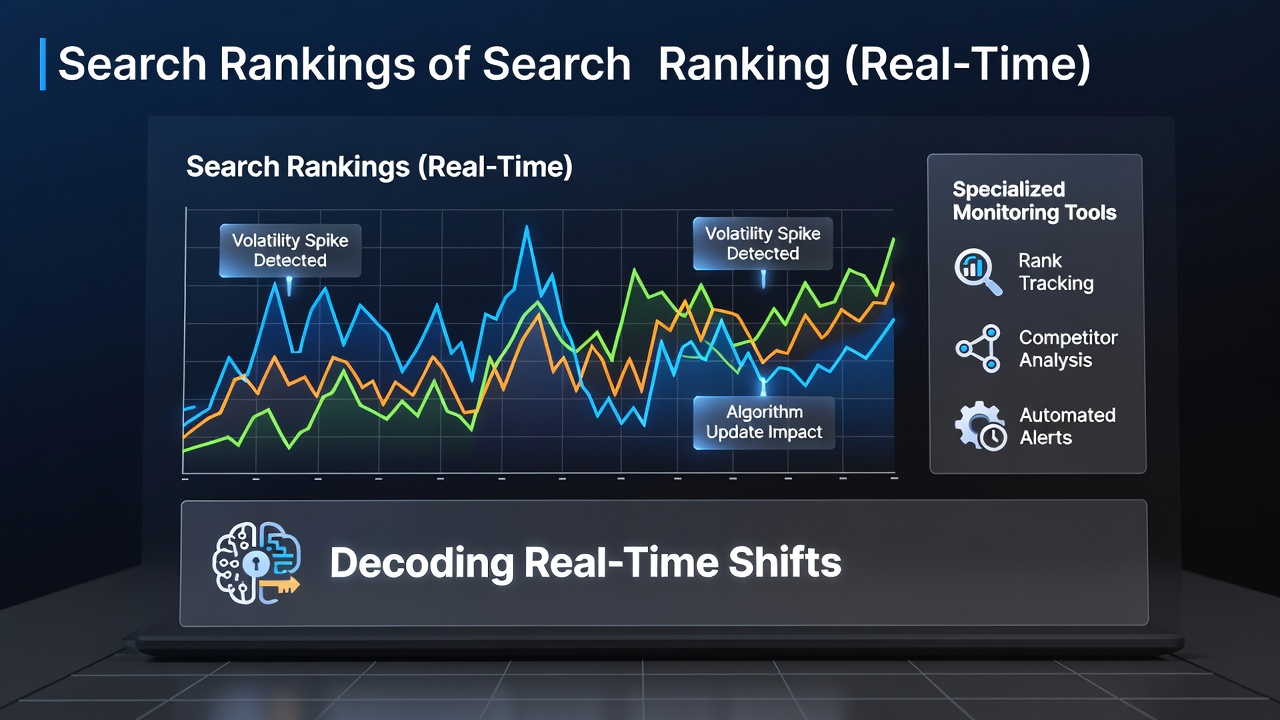
Search engines update their algorithms frequently and these changes cause immediate movements in website positions for targeted keywords, while specialized monitoring tools track those movements as they occur rather than relying on delayed daily snapshots. Researchers at various institutions have documented how ranking volatility spikes during known update periods, and data from September 2026 showed elevated fluctuation rates across multiple industry sectors following a major core update rollout. Those who analyze ranking data observe that real-time visibility into these shifts allows teams to correlate position changes with specific on-page modifications or external signals such as new backlink acquisition and content freshness indicators.
How Ranking Algorithms Generate Volatility
Search engine systems evaluate thousands of signals when determining result order, and small adjustments to any one of those signals can produce measurable position differences within hours rather than days. Studies from academic sources indicate that machine learning models used by major engines continuously retrain on fresh user interaction data, which means ranking adjustments happen continuously instead of at fixed intervals. Observers note that this continuous evaluation creates the need for monitoring systems capable of sampling results multiple times per hour across different geographic locations and device types.
Core Capabilities Found in Modern Monitoring Platforms
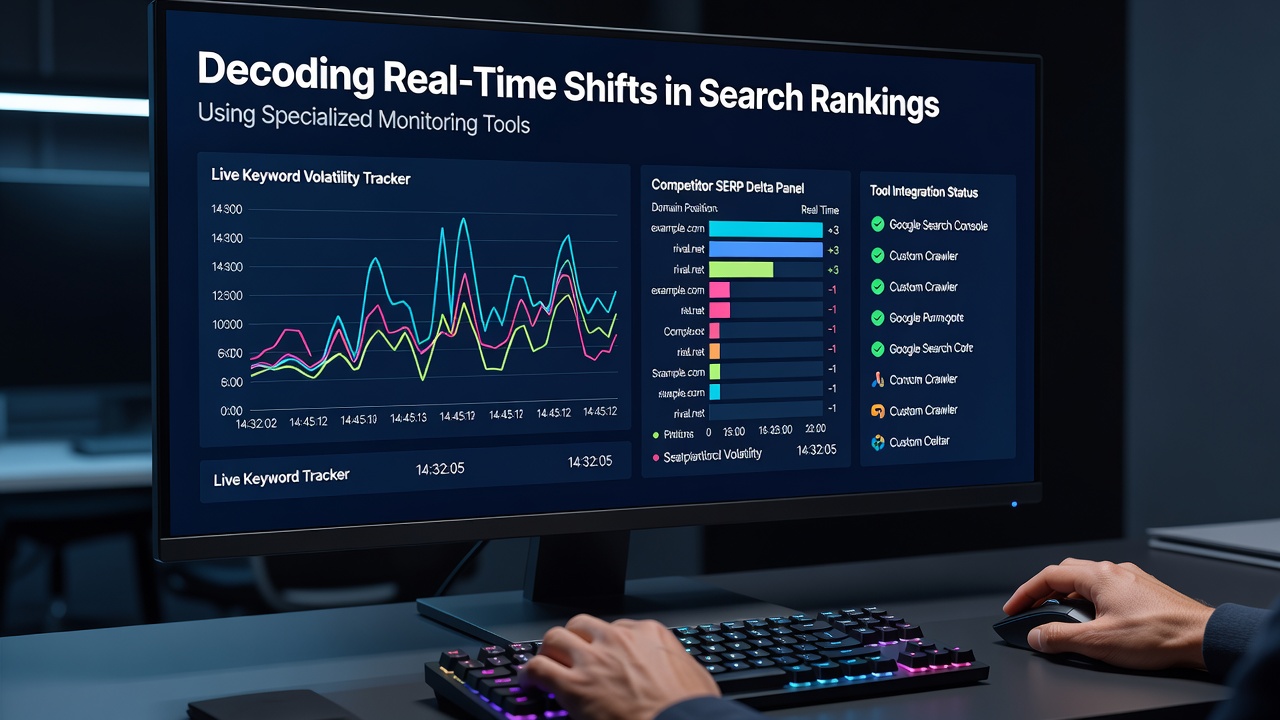
Specialized tools collect search result data through distributed server networks that mimic organic user queries at scale, and they store historical position records with precise timestamps to enable granular trend analysis. These platforms often integrate additional data streams such as click-through rate estimates, featured snippet appearances, and local pack visibility, while providing alert systems that notify users when predefined movement thresholds are crossed. Data shows that platforms offering sub-hourly refresh rates capture short-lived ranking spikes that daily reporting tools simply miss, and integration with analytics platforms allows teams to match ranking movements directly to traffic and conversion metrics.
Practical Applications Across Different Sectors
E-commerce operators use real-time ranking monitors to detect when product pages lose visibility after inventory updates or pricing changes, while news organizations track how quickly new articles enter and exit top result positions during breaking events. One documented case involved a retail site that identified a ranking drop within forty-five minutes of a server configuration error, allowing rapid correction before significant traffic loss accumulated. Government agencies in Canada have referenced similar monitoring approaches when evaluating digital service performance, and reports from the Australian Competition and Consumer Commission highlight the value of transparent data practices in competitive online markets.
Data Interpretation Techniques
Analysts compare current positions against rolling baselines calculated over the previous seven to thirty days, and they apply statistical filters to distinguish meaningful movements from normal noise. Segmentation by search intent, device category, and regional market reveals patterns that aggregated views obscure, while overlaying ranking data with crawl logs and server performance metrics helps isolate technical causes. Research indicates that combining multiple data sources produces more reliable explanations for observed shifts than relying on ranking positions alone.
Integration With Broader SEO Workflows
Teams feed real-time ranking alerts into project management systems so that content updates, technical fixes, and outreach campaigns receive immediate priority when correlated movements appear. Automated reporting features generate daily summaries that highlight the top gaining and losing keywords, and these summaries often include suggested investigation areas based on detected patterns. External link data from academic repositories and industry reports shows measurable improvements in response times when organizations adopt continuous monitoring compared with periodic manual checks.
Conclusion
Specialized monitoring tools transform raw search result data into actionable intelligence by capturing ranking movements as they develop and presenting that information alongside contextual metrics. Organizations that implement these systems gain the ability to respond quickly to algorithm-driven changes, technical issues, and competitive actions, while the continuous nature of data collection supports more accurate long-term trend analysis. As search engines refine their evaluation methods, the precision and frequency of monitoring capabilities continue to evolve in parallel.