Erik Griffin · 14 October 2026
Leveraging Automated Notifications to Manage Shifts in Organic Search Performance Metrics
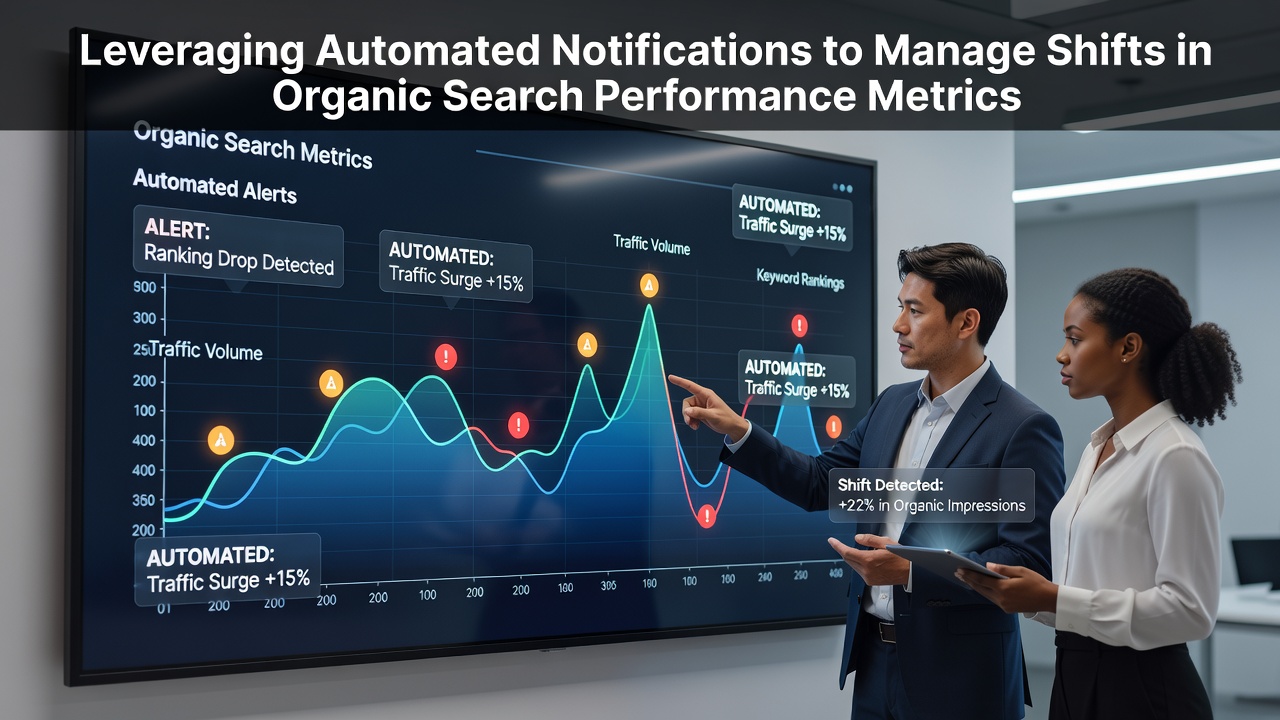
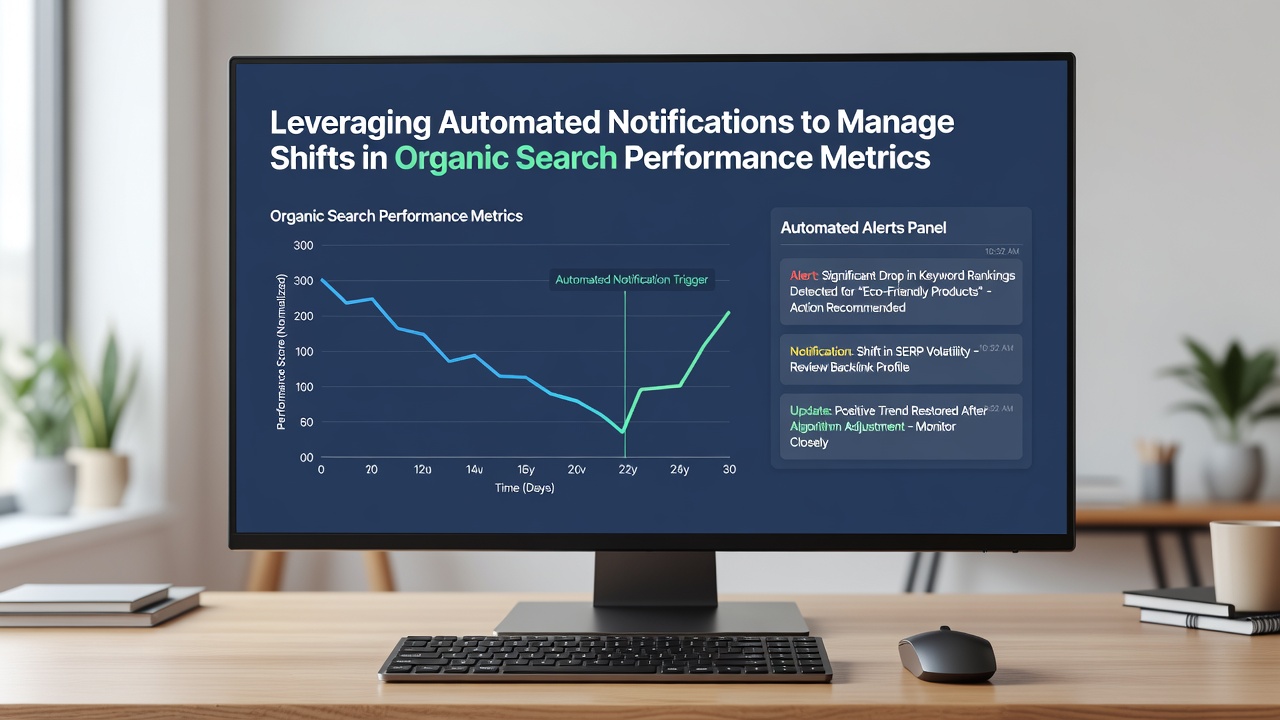
Organic search performance metrics encompass rankings, click-through rates, impressions, and conversion data that search engines generate daily, yet these figures rarely stay static because algorithm updates, competitor actions, and content changes all exert influence at once. Automated notifications step in by monitoring those same data streams continuously and triggering alerts the moment predefined thresholds get crossed, which allows teams to respond before minor dips escalate into sustained visibility losses. In October 2026 industry observers noted increased adoption of such systems after several core updates rolled out across major engines, with data indicating that sites equipped with real-time alerts recovered position faster than those relying on manual reviews alone.
Core Components of Automated Notification Systems
These platforms pull data directly from application programming interfaces provided by search consoles and analytics suites, then apply rule-based logic or machine learning models to flag anomalies such as sudden drops in average position for target keywords or spikes in crawl errors. Thresholds can be set for absolute changes, percentage shifts, or statistical deviations from historical baselines, and alerts route through email, Slack channels, or integrated dashboards so that stakeholders receive information without opening multiple reporting tools. Researchers at institutions studying digital marketing workflows have documented how combining positional data with traffic volume metrics reduces false positives, because a ranking shift that does not affect impressions often stems from seasonal search volume patterns rather than site problems.
Integration With Existing Monitoring Workflows
Many organizations embed notification layers inside broader SEO suites that already track backlinks, page speed, and indexation status, creating a unified feed where an alert about a ranking change can link directly to diagnostic reports on the affected URLs. This linkage shortens investigation time because the system surfaces related signals, for instance pairing a traffic decline with an increase in mobile bounce rate or a spike in server errors recorded during the same period. Data from multiple regional sources, including analyses published by the Australian Bureau of Statistics on digital economy metrics, shows that businesses maintaining integrated alert systems experience shorter intervals between detection and remediation of technical issues.
Practical Applications Across Different Site Types
E-commerce platforms use automated notifications to watch product category rankings during promotional periods, receiving immediate notice when a featured item slips outside the top results and can therefore adjust bids or refresh on-page elements without waiting for weekly reports. News and content sites monitor impression share for breaking topics because timely alerts allow editors to update headlines or add structured data before audience interest fades. One study revealed that organizations applying alerts to both desktop and mobile result sets caught device-specific ranking differences earlier, since separate thresholds could be configured for each environment and notifications distinguished between them automatically.
Handling Data Volume and Alert Fatigue
As the number of tracked keywords and pages grows, raw alert volume can overwhelm recipients unless systems incorporate severity scoring and grouping logic that bundles related issues into single messages. Advanced setups apply natural language processing to label alerts with probable causes, such as “potential indexing delay” or “seasonal query shift,” which helps teams prioritize responses without reviewing every individual data point. Evidence from academic papers on information systems indicates that configurable digest modes, where non-critical alerts compile into daily summaries, maintain user engagement with the notification platform over longer periods.
Future Developments in Notification Technology
Continued refinement of predictive models allows some platforms to issue preemptive alerts when metrics approach threshold boundaries, giving teams advance warning measured in hours rather than after a change has already registered. Integration with external data streams, including social mention volume and news event calendars, further contextualizes organic shifts so that notifications distinguish between algorithm-driven movements and external factors. Observers tracking tool adoption rates in October 2026 reported steady growth in platforms offering these enriched alert features, reflecting demand for faster situational awareness amid increasingly frequent search engine updates.
Conclusion
Automated notifications transform raw search performance data into actionable signals by applying continuous monitoring and targeted delivery mechanisms that align with existing operational rhythms. Organizations that calibrate thresholds carefully and integrate alerts with diagnostic workflows gain the ability to address metric shifts promptly, while ongoing advances in contextual analysis promise even greater precision in distinguishing signal from noise across expanding datasets.